
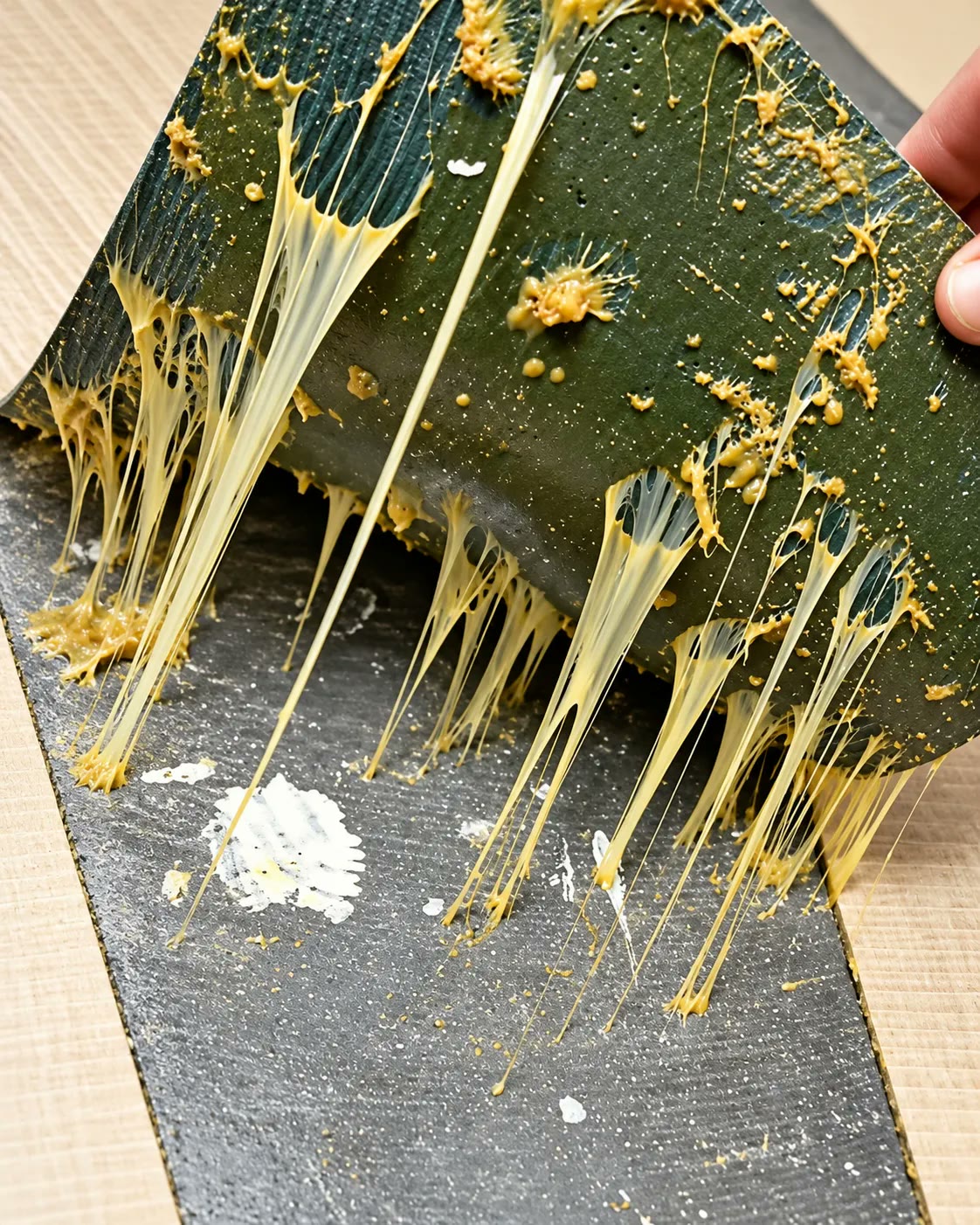
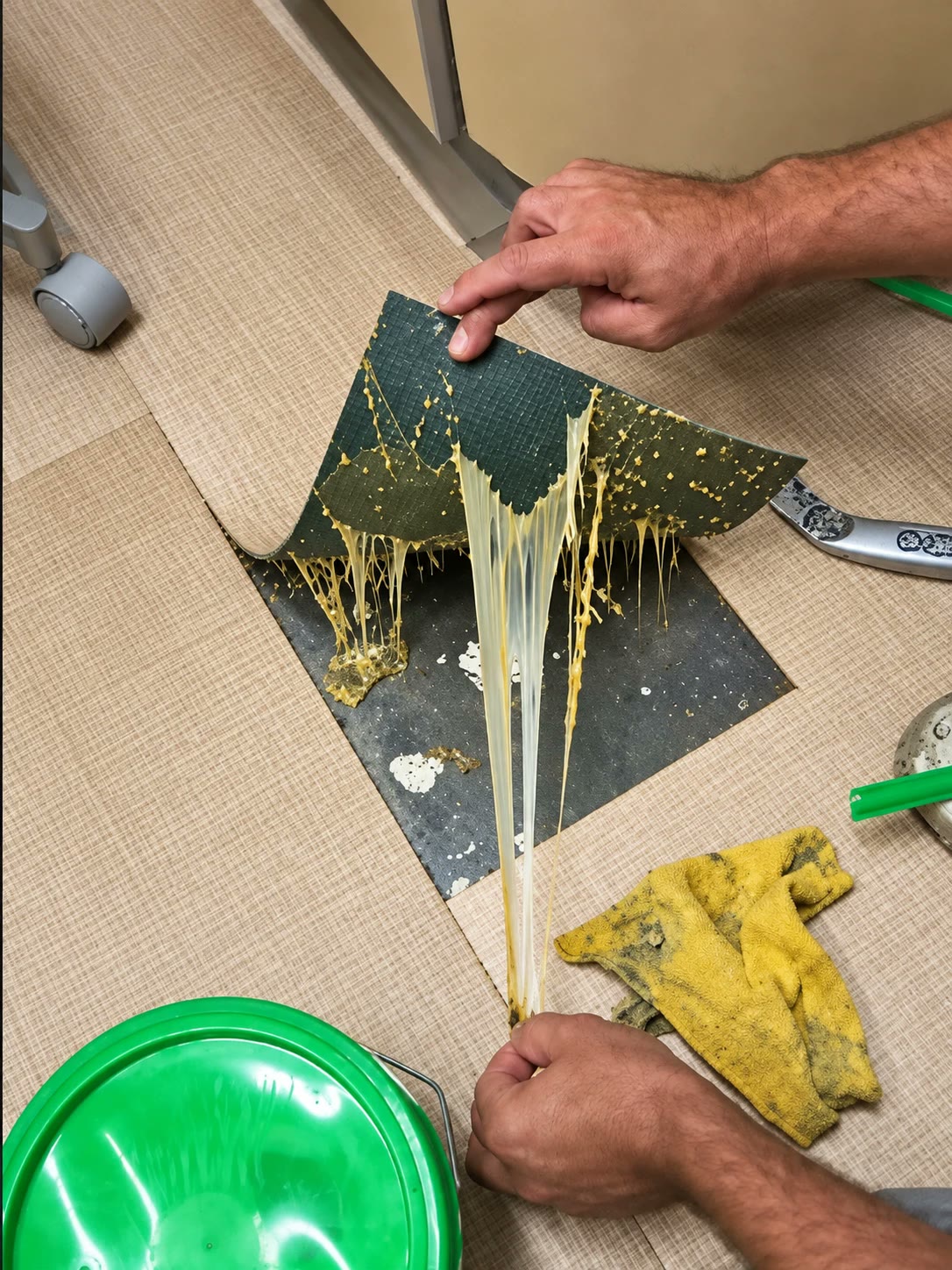
Most floor failures start under the floor.
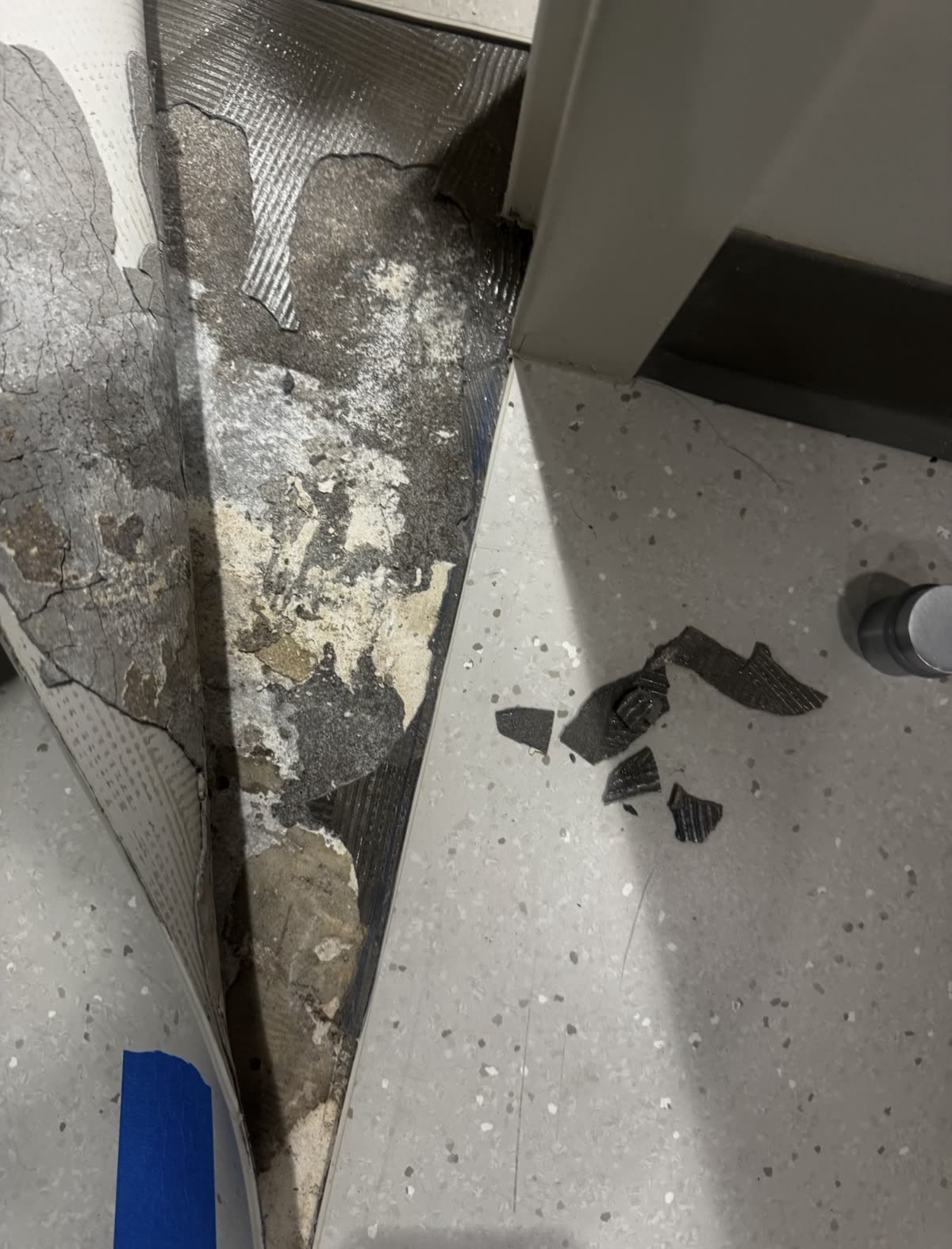
Houston homes sit on concrete slabs, and those slabs hold moisture you can't see from the room. Lay vinyl plank, wood, or tile over a damp slab and it cups, buckles, lifts, or grows mold under the adhesive. Sometimes in months, sometimes in years.
A $30 meter from the hardware store reads the top of the slab. The problem lives inside it. ASTM F2170 is the test flooring manufacturers write into their warranties, because it's the one that measures where the moisture actually is.
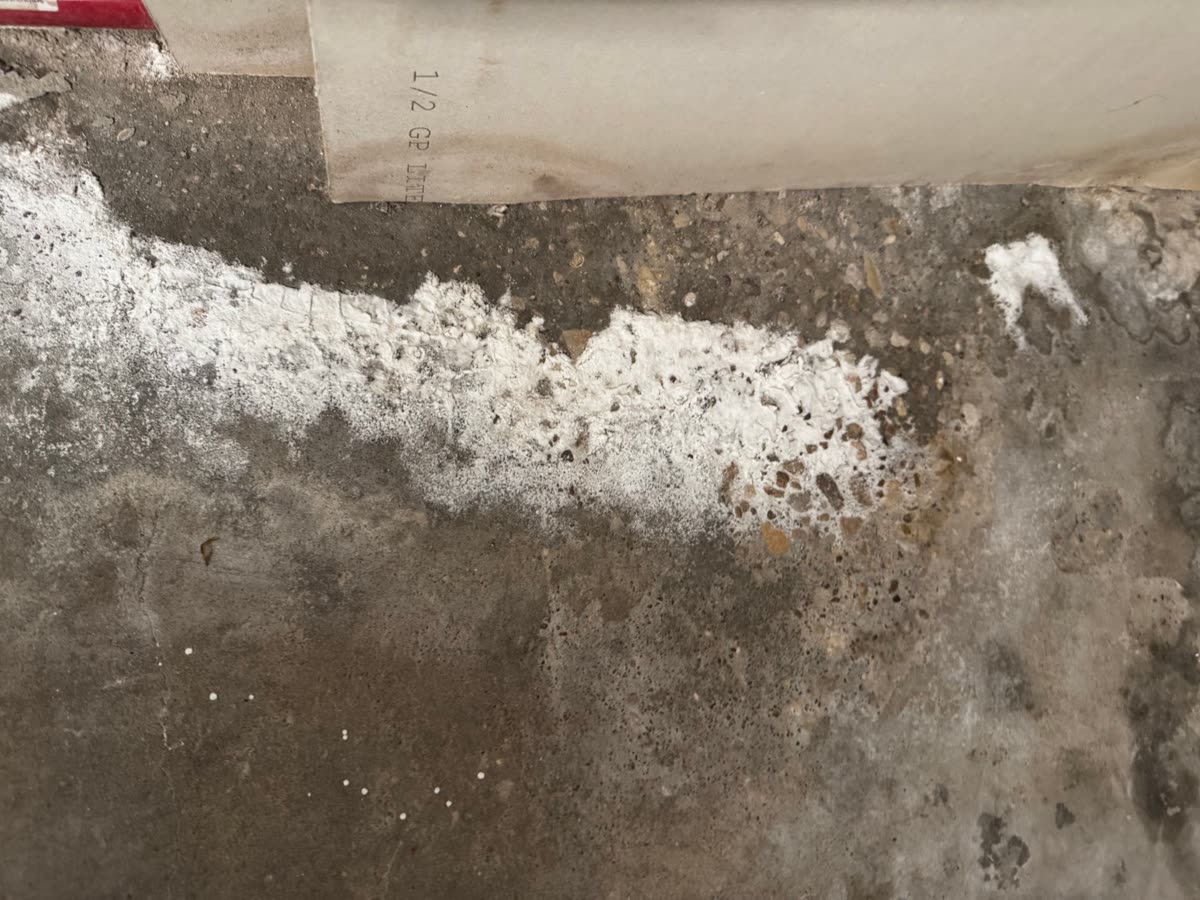
A real test, not a meter reading.
Probes set inside the slab
We drill and set relative humidity probes at 40% of slab depth, per ASTM F2170. Three cover the first 1,000 square feet, plus one for each additional 1,000.
Two visits, done right
Visit one sets the probes. We come back once they've equilibrated to the standard and read every one. No shortcuts on the wait, because a rushed reading is a wrong reading.
A written report you keep
Every probe photographed and timestamped, each reading compared against the limit for the floor you're planning. Hand it to any installer, your insurer, or a buyer. It's yours whether you hire us or not.
Credited if we install
Hire us to install within 30 days of your report and the full test fee comes off your final invoice. The test you already paid for becomes the test in your install, so you never pay for it twice.
Flat pricing. Published up front.
How booking works
Half to book. A 50% deposit holds your date. It's refundable until 48 hours before the visit, and you get one free reschedule.
Half at the read. The balance is due by card on site at the second visit.
Report the same day. Your written report goes out as soon as the balance clears.
A wet slab isn't a dead end. It's a decision.
Four of the last fifty slabs we tested before an install needed mitigation. If yours is one of them, you see your options with a price against each one before anything is ordered or torn up.
Pick a floor rated for your reading
Every product has its own moisture limit. Carpet tolerates more than vinyl, and vinyl tolerates more than wood. Sometimes the fix is just a different floor, at no extra cost.
Moisture barrier: $14 per sq ft
A full mitigation system: shotblast, crack fill, primer, and membrane, installed before the new floor goes down.
Leveling: $4 per sq ft
Where the slab is out of flat, a self-leveling underlayment brings it back into tolerance. Quoted on its own or alongside a barrier.
Find the water first
Readings above 98% usually mean water is getting in from somewhere: a leak, a drain, or grading that slopes toward the house. We'll tell you, and we won't sell you a membrane to cover it up.

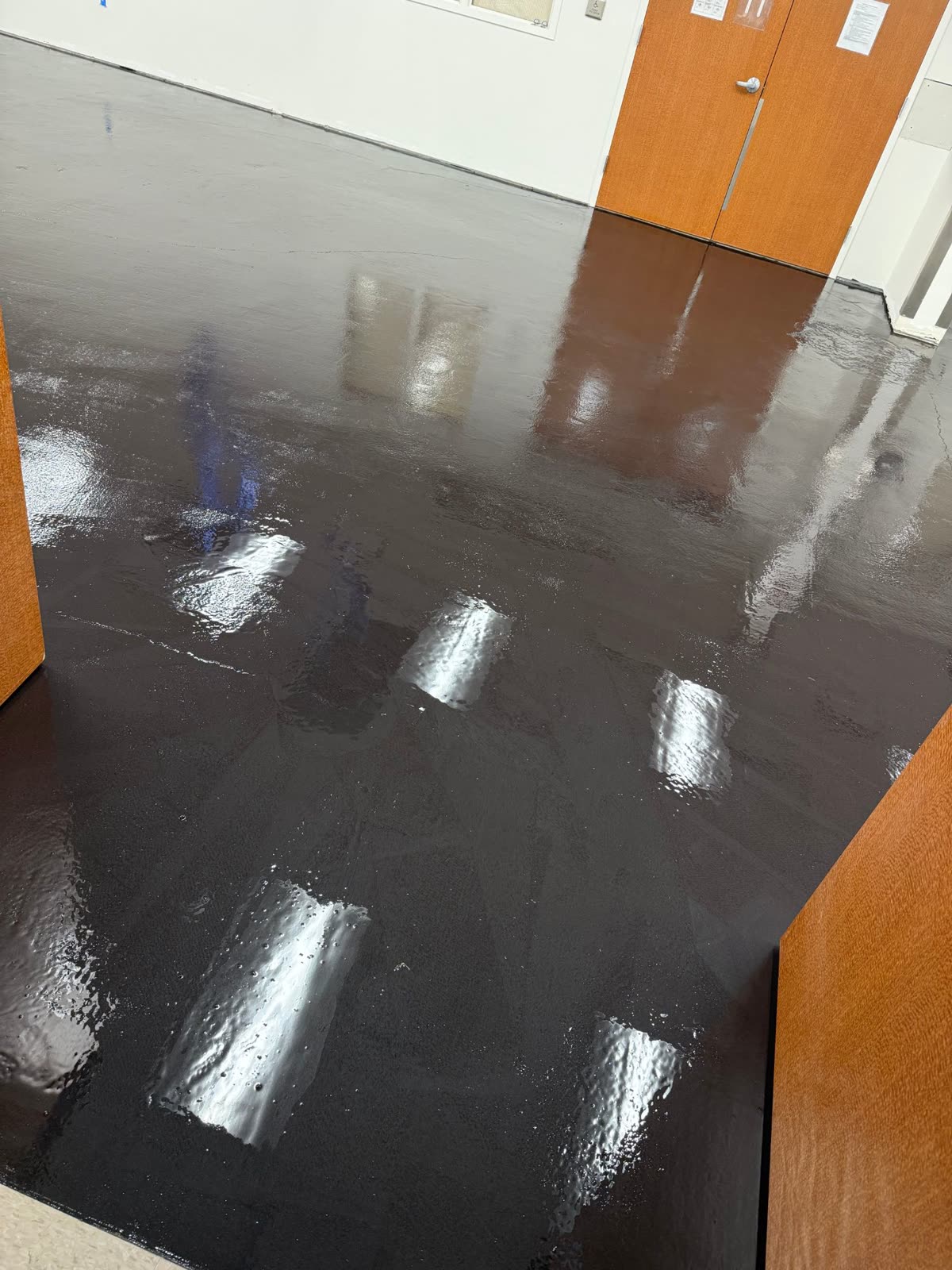
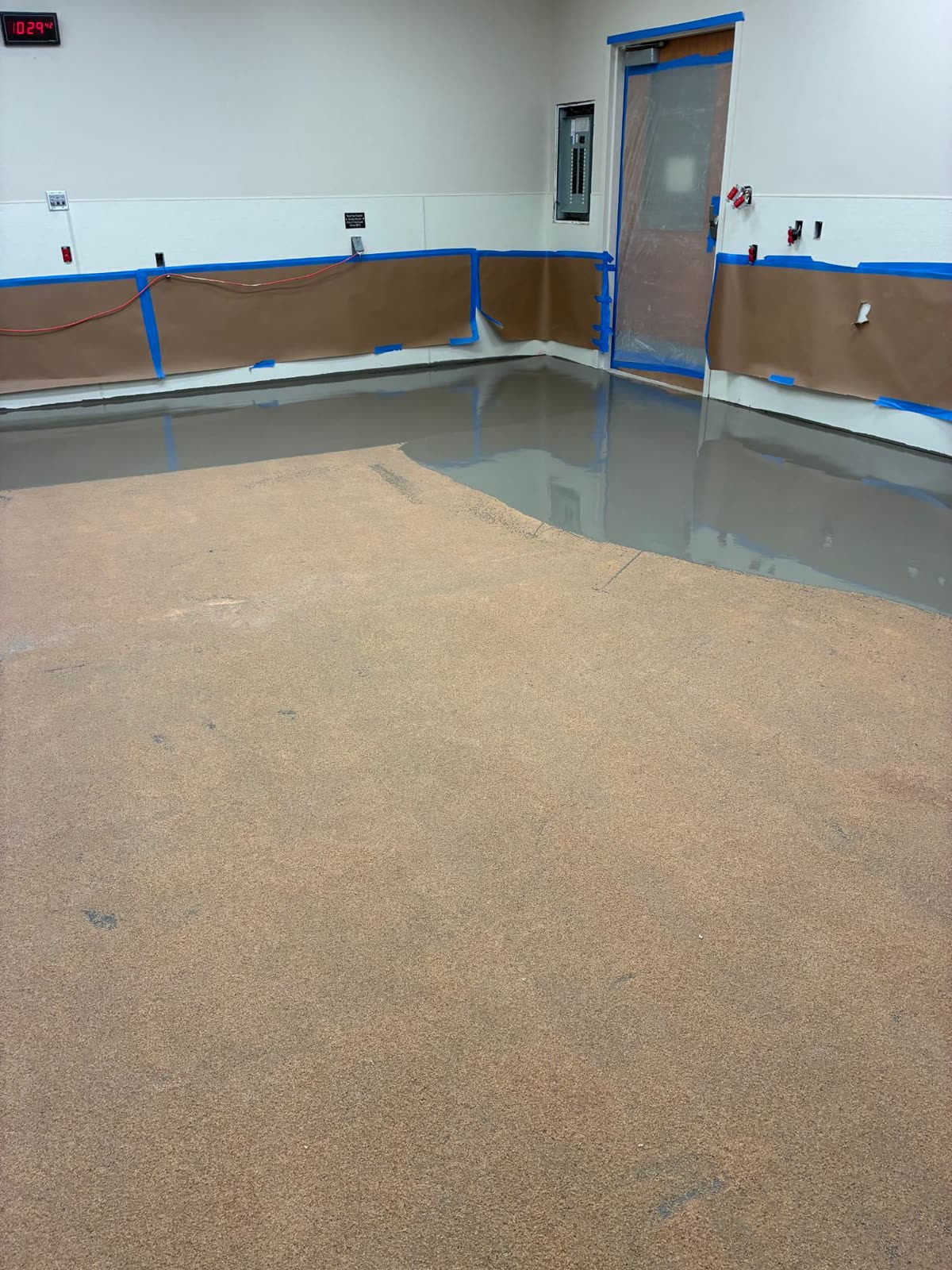
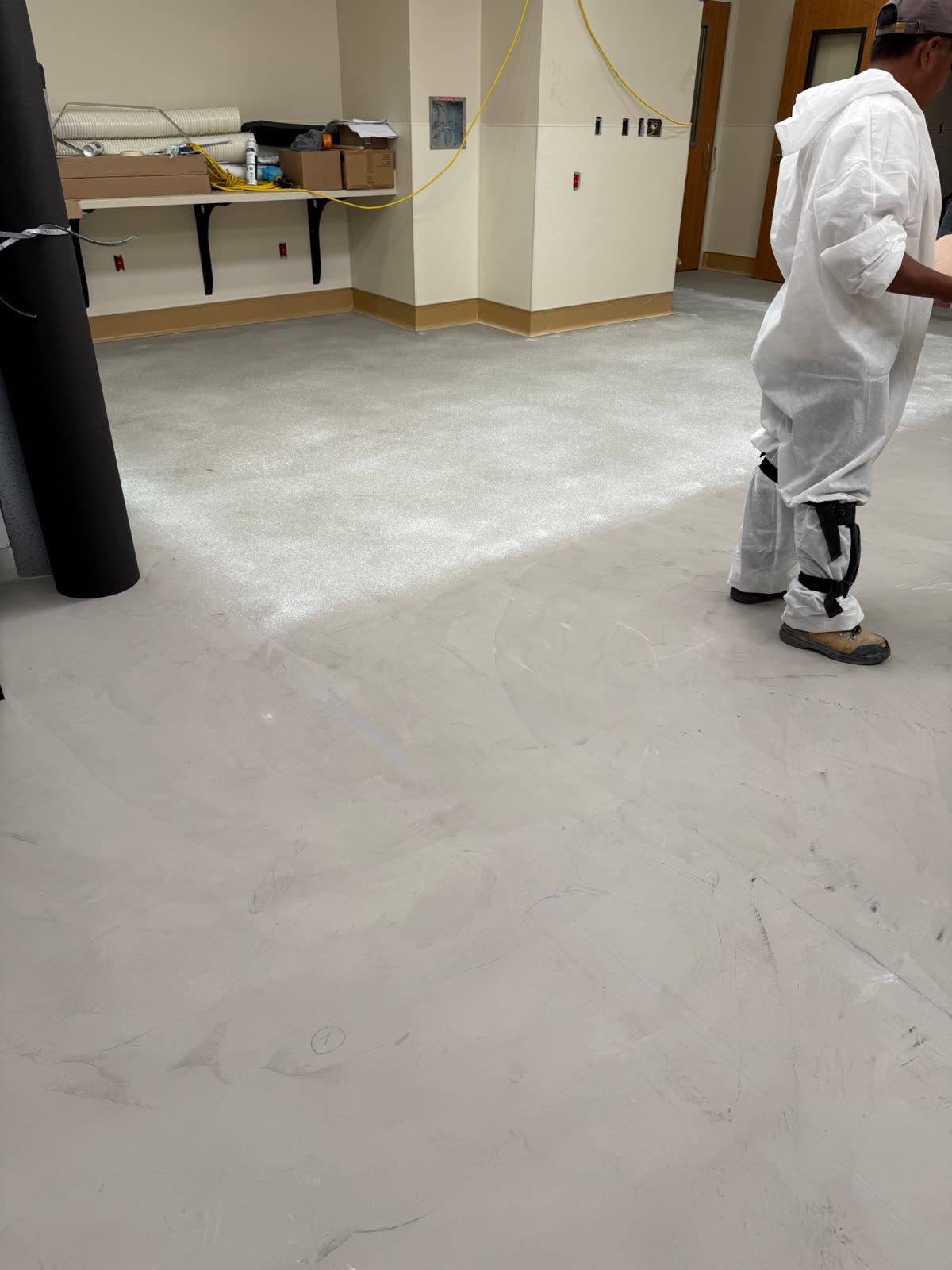
Who calls us for a test.
Homeowners
About to spend $10,000 or more on new floors. Test first and you'll know whether the slab can hold them, and what it costs if it can't, before you pick a product.
Buyers and sellers
A written F2170 report belongs in the inspection file. Buyers get a real number to negotiate with. Sellers answer the moisture question before it stalls the deal.
Landlords and property managers
After a leak or between tenants. Test before you replace the floor, so the new one doesn't fail on the next tenant and come back as another repair call.
Owners and general contractors
You need an F2170 report on a commercial slab, fast, to clear a spec or protect a flooring warranty. It's the same testing discipline behind our healthcare, school, and bank projects.
Questions people ask before booking.
How do you test for moisture in concrete?
The reliable way is ASTM F2170: small holes drilled to 40% of the slab's depth, a relative humidity probe sealed into each one, and a reading once the probe has equilibrated with the concrete around it. Surface meters and plastic sheet tests only read the top of the slab, and flooring manufacturers don't accept them for warranty.
What is an acceptable moisture reading for concrete?
It depends on the floor going down. Each manufacturer publishes a limit, usually between 75% and 90% relative humidity, and wood is the strictest. Your report compares every reading against the limit for the floor you're planning.
What is the ASTM standard for concrete moisture testing?
ASTM F2170 covers in-situ relative humidity probes. It's the test most flooring manufacturers require, and the one we run on every slab.
Do I need a moisture barrier between concrete and vinyl plank?
Not always. Many floating vinyl plank systems include an underlayment, and a slab inside the product's limit may need nothing more. A slab above the limit needs a real mitigation system, not a sheet of plastic. The test tells you which one you have.
Why are my floors cupping, buckling, or lifting?
On a Houston slab, moisture coming up from the concrete is the most common cause. Other causes include a missing expansion gap, a leak, or a floor that wasn't acclimated before it went down. A probe test separates slab moisture from the rest.
Can I test my slab myself?
You can buy a meter, but a pin or surface meter reads the top half inch. Manufacturers write F2170 into their warranties because it's the test that holds up when a claim gets filed.
How long does a test take?
Two short visits. We set the probes on the first, then come back to read them once they've equilibrated to the standard. Your report goes out the day of the second visit.
What happens to the fee if I hire you to install?
Hire us to install within 30 days of your report and the full test fee comes off your final invoice. The test you already paid for becomes the test in your install, so you never pay for it twice.
Book your moisture test.
Tell us about the slab. We'll confirm your price and send the deposit link to hold your date.
Or call us directly at (281) 615-6053.